
Creative Memory Books That Help Children Process Big Life Transitions


Children face many life changes while they grow. A move, a new school, or a family shift can feel confusing. Many children struggle to explain their feelings during these moments. Parents can help by providing simple ways for them to express their thoughts and memories. One helpful tool is creative memory books. These books let children record events, feelings, and hopes in their own voices. The process helps them reflect on change while feeling safe and supported.
Turning Reflection Into Quality Family Moments
Parents often seek activities that bring everyone together after a major life change. Shared activities help children feel stable again. Creating memory pages as a family builds open conversations about the past and future. Many families notice stronger bonds during quality family time when they sit together and engage in reflection. Children ask questions while parents listen and guide. This simple activity also shows children that their stories matter. Over time, those pages become a shared record of family growth.
Preserving Stories During Moving Days
Moving can disrupt routines and emotional comfort for children. Boxes fill rooms and favorite spaces disappear. Kids may worry about leaving friends or familiar places behind. Parents can ease this stress by encouraging children to record memories before leaving. It is important to know that packing up your home library for moving does not have to be hard when everyone works together. Children can draw their favorite reading corner or write about their favorite stories. These pages help them carry meaningful memories into the next chapter.
Why Creative Memory Books Support Emotional Growth
Children often express emotions more easily through drawing and storytelling than through direct conversation. A memory book gives them that safe space. They choose colors, pictures, and words that reflect their feelings. This control helps them regain confidence during uncertain periods. Parents can guide the process by asking gentle questions. Children begin to see their experiences as meaningful parts of their lives. Over time, the book becomes a personal record of strength and growth.
Starting a Creative Weekend Project After Moving
The first weekend in a new home can feel strange for children. Rooms may look unfamiliar, and routines may pause for a while. Families can turn that time into something comforting and creative. Some parents plan a creative weekend after relocating to help children settle in. They gather photos, drawings, and small keepsakes from the move. Children place these items into their memory book pages. This activity turns the move from a stressful event into a shared creative experience.
Helping Kids Share Their Feelings Through Art
Young children may lack the vocabulary to explain strong emotions. Art helps them communicate feelings without pressure. When children draw a picture of their old house or school, they reveal what matters most. Parents can ask open questions about each drawing. The child then adds captions or short notes beside the artwork. These small steps build emotional awareness and confidence. Over time, children learn that expressing feelings is healthy and welcome.

alt: boy reading a book
caption: Art gives children a gentle way to express feelings when words are hard to find.
Building Habits That Encourage Emotional Health
Creative reflection supports mental well-being during major changes. Children gain confidence when adults listen to their thoughts. Parents who encourage reflection also show children that emotions deserve attention. Many family therapists suggest creative journaling to encourage your kids' well-being. Memory books combine storytelling, art, and family conversation. Each page allows children to revisit a moment and understand it better. This habit can support emotional health throughout childhood.
Using Photos and Keepsakes to Strengthen Memories
Children connect strongly with visual reminders of meaningful moments. A simple photograph can spark a long conversation. Parents can invite children to place photos into their memory pages. Kids may also include small keepsakes such as ticket stubs or drawings. These objects give children a concrete link to past experiences. The process helps children understand that memories remain even after change. It also turns the book into a treasured family object.
Supporting Conversations About Difficult Feelings
Life transitions often bring mixed emotions. A child may feel excitement and sadness at the same time. Parents sometimes struggle to start these conversations. Memory book activities offer a natural starting point. A parent can ask about the story behind a picture or drawing. The child then shares feelings in a relaxed setting. This gentle exchange builds trust and emotional safety.
Helping Children Build a Personal Story
Every child benefits from understanding their own story. When children record life events, they see how experiences shape them. This process helps them recognize their own resilience. A memory book becomes a timeline of important moments. Children begin to understand that change is part of growth. Parents can guide reflection by asking what each event taught them. The child then writes or draws those lessons on the page.
Creating Routine During Times of Change
Routine helps children feel secure during uncertain periods. Families can schedule regular memory book time each week. This small routine gives children something predictable. They begin to look forward to reflecting on the week. Parents can encourage children to add drawings or short stories about recent experiences. The activity becomes both creative and calming. Over time, the routine builds emotional stability.
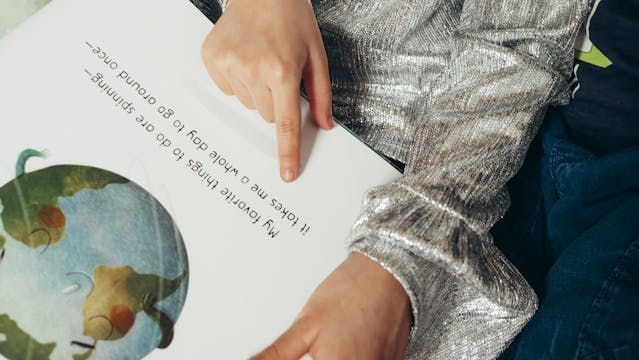
alt: child reading a book
caption: A weekly memory book routine helps children feel safe, creative, and emotionally balanced during times of change.
Encouraging Imagination While Recording Memories
Memory books allow children to blend imagination with real events. A child might draw a moving truck as a friendly character. Another child may create a comic strip about meeting new friends. These playful ideas help children process events with humor and creativity. Parents can celebrate each idea without judgment while using creative memory books as a space for open expression. The goal is expression, not perfection. This freedom helps children feel confident about sharing their thoughts.
Strengthening Parent and Child Communication
Strong communication supports children during any life transition. Memory book activities encourage parents to listen closely. Children explain drawings, stories, and emotions in their own words. Parents respond with patience and encouragement. This interaction builds trust between parent and child. Children then feel more comfortable sharing concerns in the future. Over time, these conversations strengthen family relationships.
Helping Children Grow Through Reflection
Life transitions shape childhood in powerful ways. Children need support while they adjust to new situations and emotions. Parents can guide that process through conversation, creativity, and shared reflection. Creative memory books offer a simple yet meaningful way to support this growth. They help children record memories, express emotions, and understand their experiences. Families who create these books often discover deeper communication and stronger bonds. Over time, the pages become lasting reminders of resilience and family support.
Meta: Support children during life changes with creative memory books that help them express feelings, keep memories, and build emotional strength.
Kw: Creative Memory Books

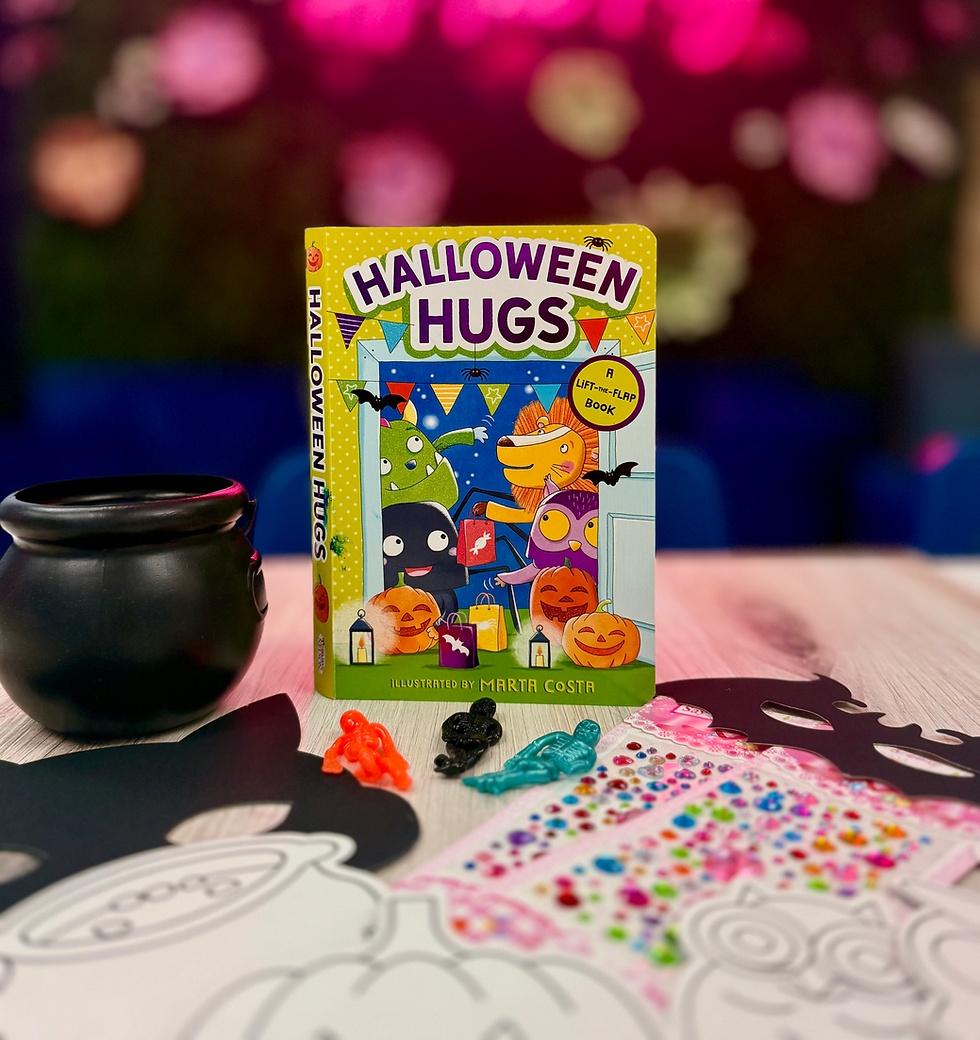

A wonderful read for parents who are helping their children through change. When times are challenging, providing kids with space to draw, write and save a little keepsake can make going through transitions easier. Custom baseball trading pins might be a great addition when the milestone is reached or lasting memories are made.
This is such a thoughtful and practical idea for helping children navigate big changes. I really love the emphasis on giving kids ownership over their story instead of trying to “fix” their feelings for them. The suggestion to start a memory book the first weekend in a new home feels especially powerful, it turns a potentially overwhelming moment into something grounding and creative. I recently read a piece on https://englandderbyshire.co.uk/ about how reflective family activities can strengthen emotional resilience, and this aligns so beautifully with that idea. It’s simple, but you can really see how meaningful it could become over time.
Creative Memory Books That Help Children Process Big Life Transitions really resonated with me as a reflective idea. I am a PhD student and work part-time at Last-Minute Assignments. During my college days I struggled academically, which later inspired me to help others who often search Complete My cybersecurity Assignment in stressful moments. I think such storytelling tools encourage empathy, helping children process change gently, and remind me why I value accessible academic guidance and supportive learning environments overall reflection.
The idea of turning the first strange weekend in a new home into a creative memory project is a genuinely practical reframe of what could otherwise be a really unsettling experience for kids. Art giving children a way to communicate feelings before they have the vocabulary for them is something parents often underestimate. Came across a piece over at https://direwolfseo.co.uk/ on creative tools for children during transitions which felt very relevant here. Simple and useful advice for any family navigating change.
Ik zie de systematische beoordeling van operationele elementen. Beweringen blijven gegrond. U kunt meer achtergrondinformatie over het probleem vinden op de website. Adoptie-opschaling wordt getoond door digitale entertainmentaanbiedingen.